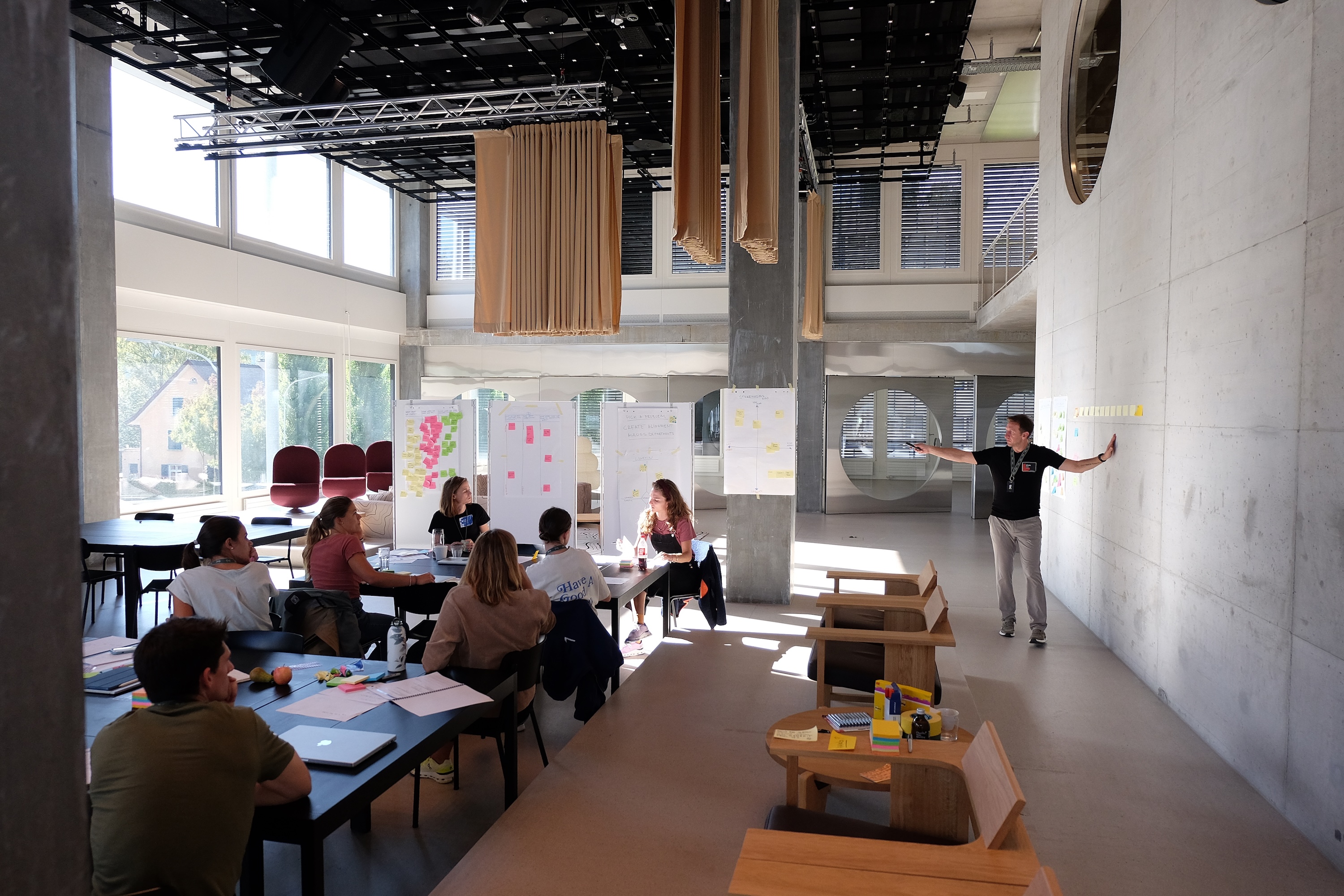
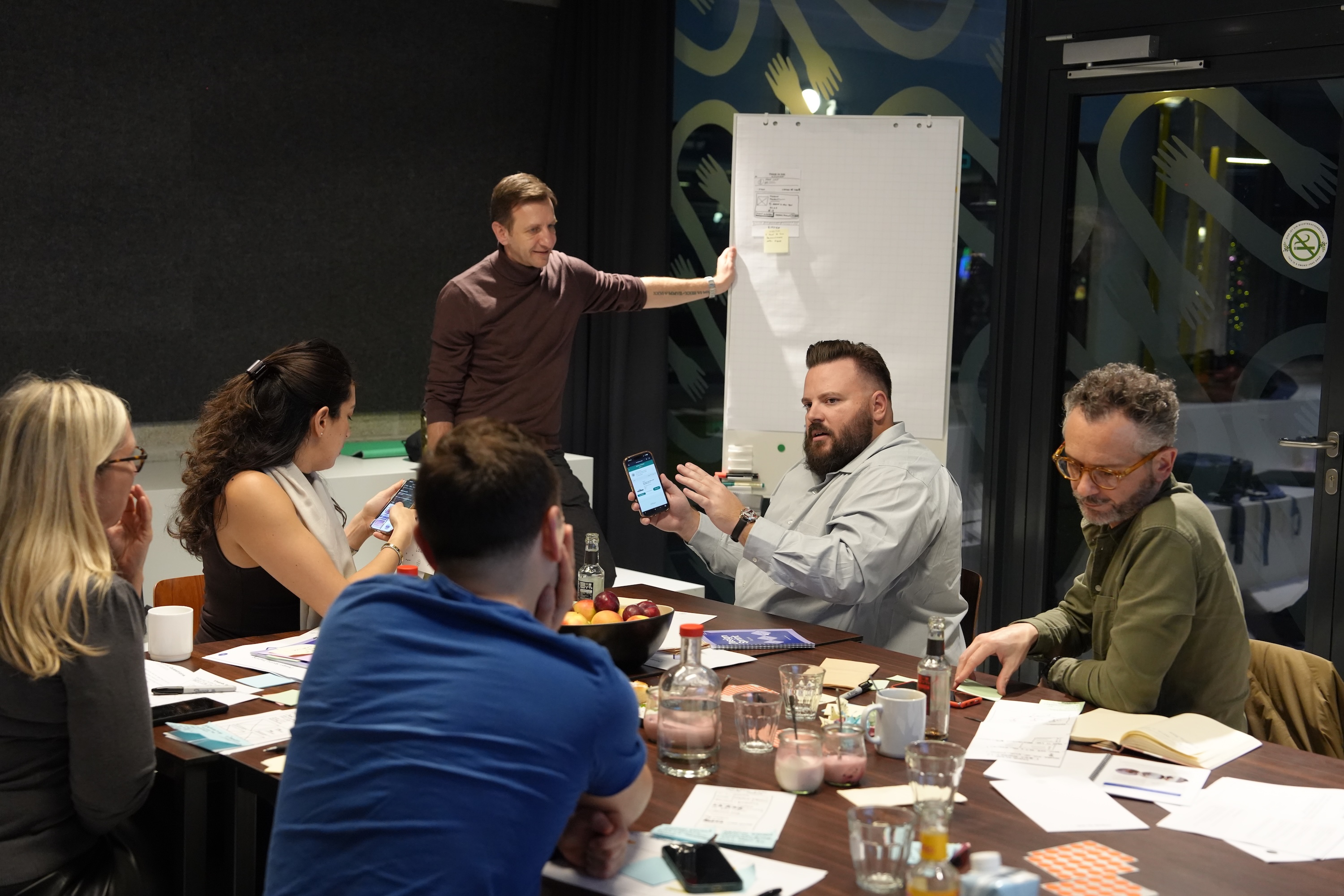
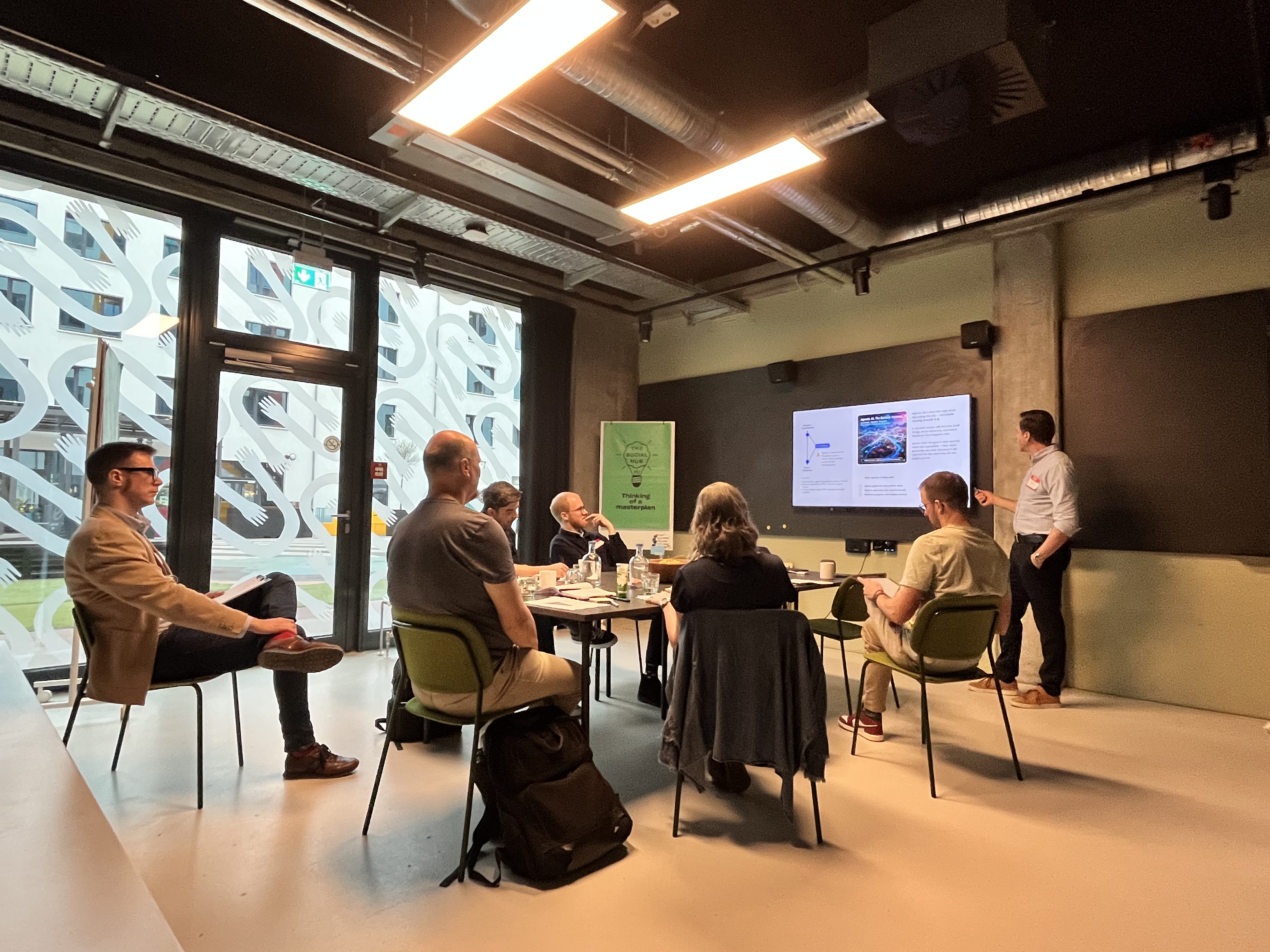
We help enterprise teams make better decisions — on AI, strategy, and product. Through facilitated workshops that do the work, and training that builds your team's ability to run that work independently.
Hands-on training that helps teams across your organisation collaborate and make better decisions. Your people leave with the full methodology and everything needed to run structured sessions independently — playbooks and facilitation materials. One investment. The capability stays.

.jpeg)
DSA facilitates the session. Your team brings the business context. We bring the process and accountability for reaching a real decision — a validated AI use case, a redesigned workflow, a clear strategic direction. For high-stakes moments where the cost of getting it wrong is too high.
Where to place the bet, how to redesign the work, and how to build the internal capability to keep doing it.
For teams where the cost of solving the wrong problem — or the wrong solution — is too high to guess.

John and Dana Vetan have facilitated hundreds of sessions across cultures and industries — not from the stage, but at the whiteboard with the team. Over a decade of working inside large, complex organisations, they adapted the Design Sprint and Problem Framing methodologies for enterprise realities: shorter formats, stronger problem framing, better team dynamics.
When AI changed everything, they built what didn't exist yet — AI Problem Framing and the AI Workflow Sprint — structured methods for helping organisations move from AI hype to real, aligned execution without wasting time on the wrong problems.
The goal has always been outcomes not good vibes, decisions not fake alignment, validation not opinions.
Three days of hands-on training in the full AI facilitation methodology — AI Problem Framing on day one, AI Workflow Sprint on days two and three. You leave with the full toolkit to run AI decision-making sessions independently: playbooks, facilitation slides, agendas, and the AI Copilot. Max 8 participants per cohort.

Berlin · June 24–26, 2026 · 3 days · €2,500
Reserve your spot!
Berlin · Sept 9-11, 2026 · 3 days · €2,500
Reserve your spot!Organisations we've worked with


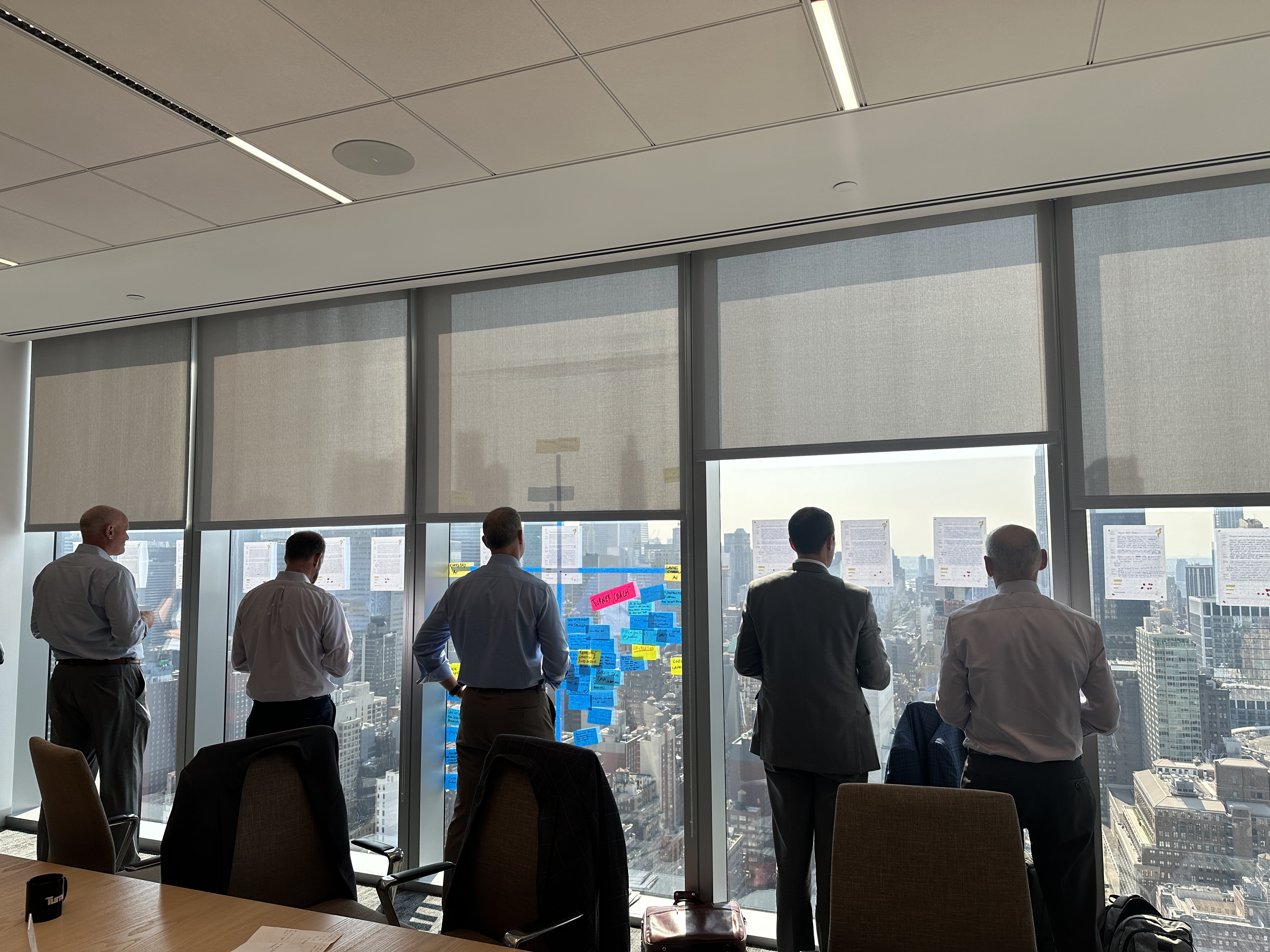
Turner Construction Company came with a real problem: 11,000 employees, hundreds of active job sites, and decades of operational knowledge locked inside people’s heads. Leadership knew AI was part of the answer — they just didn’t know which part. DSA ran an AI Problem Framing session with Directors and VPs, facilitated AI Workflow Sprints across three teams, and trained Turner’s own people to run the methodology independently.
Read Case Study
The World Bank's IT teams were technically strong. The problem was earlier in the sequence — before any project was scoped, they were already answering the wrong question. Over three days in Washington D.C. — one day of Problem Framing Training, two days of Design Sprint Training — multiple IT teams learned to frame the right problem before proposing any solution. They left with the skills to run both methods independently, without outside support.
Read Case Study
Red Bull’s digital team had a problem: too many feature ideas, no structured way to decide which ones were worth building. In one focused week — a Problem Framing day followed by a four-day Design Sprint — a cross-functional team moved from scattered ideas to a tested prototype validated with real users. They left with a clear direction for their Community platform, a prioritised feature backlog, and a repeatable approach to customer-centric product decisions.
Read Case Study
Which? didn't arrive at Problem Framing through a formal mandate. They were winging it — running sessions without a structured method, trying to filter incoming requests without a shared language. Over three years and three training programs, that changed.
Today Problem Framing isn't something a few people on the UX team know. It's how the organisation makes decisions.

Practical thinking on AI, product decisions, and the methods that make them stick.